COLLEGE ELECTIVE. UX DESIGN . UI DESIGN
My Roles and Responsibilities
UX Research
UX Design
UI Design
About Project
Conceptual Project 2 Week Module Team : 3 Classmates
Tools
Adobe XD Google Survey
Miro
PROJECT OVERVIEW
What Problem are we trying to solve?
The problem of lack of time and patience to cook and eat healthy food is a common issue facing many people today, particularly young adults. This often leads to an unhealthy diet, as they are forced to rely on takeout food or pre-packaged meals. This type of diet is not only unhealthy, but it is also costly, as they end up spending more money on food than they need to.
Most of them struggle with keeping track of their kitchen items, and many lack the knowledge of basic recipes to prepare a nutritious meal. This leaves them with limited options and little control over what they are eating. This lack of control and knowledge about their food intake is a major concern for their health and well-being.
Additionally, there is a lack of integrated tools that can help manage the flow of food in and out of the kitchen. Without such a tool, it is challenging for individuals to keep track of what they have on hand and what they need to purchase. This leads to wasted food and inefficient use of resources.
PROJECT GOALS
To design a solution that manages the complete food flow in the users’ homes. An integrated solution that provides users to track groceries in kitchen, and tailor recipe suggestions to decide upon hence encouraging low wastage of food.
50% of Indian households struggle to manage their kitchen and food supplies, leading to food waste and inefficient use of resources.
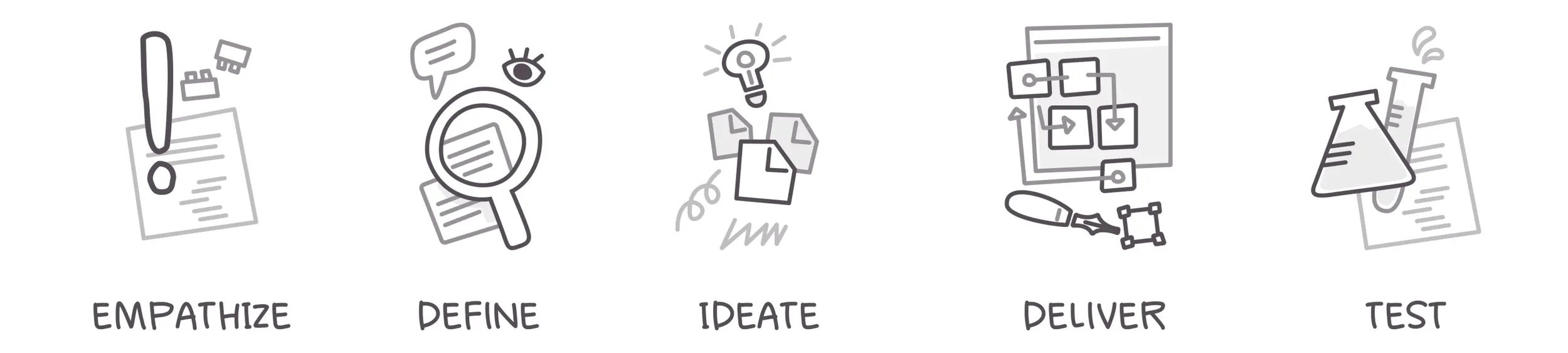
APPROACH
SOLUTION
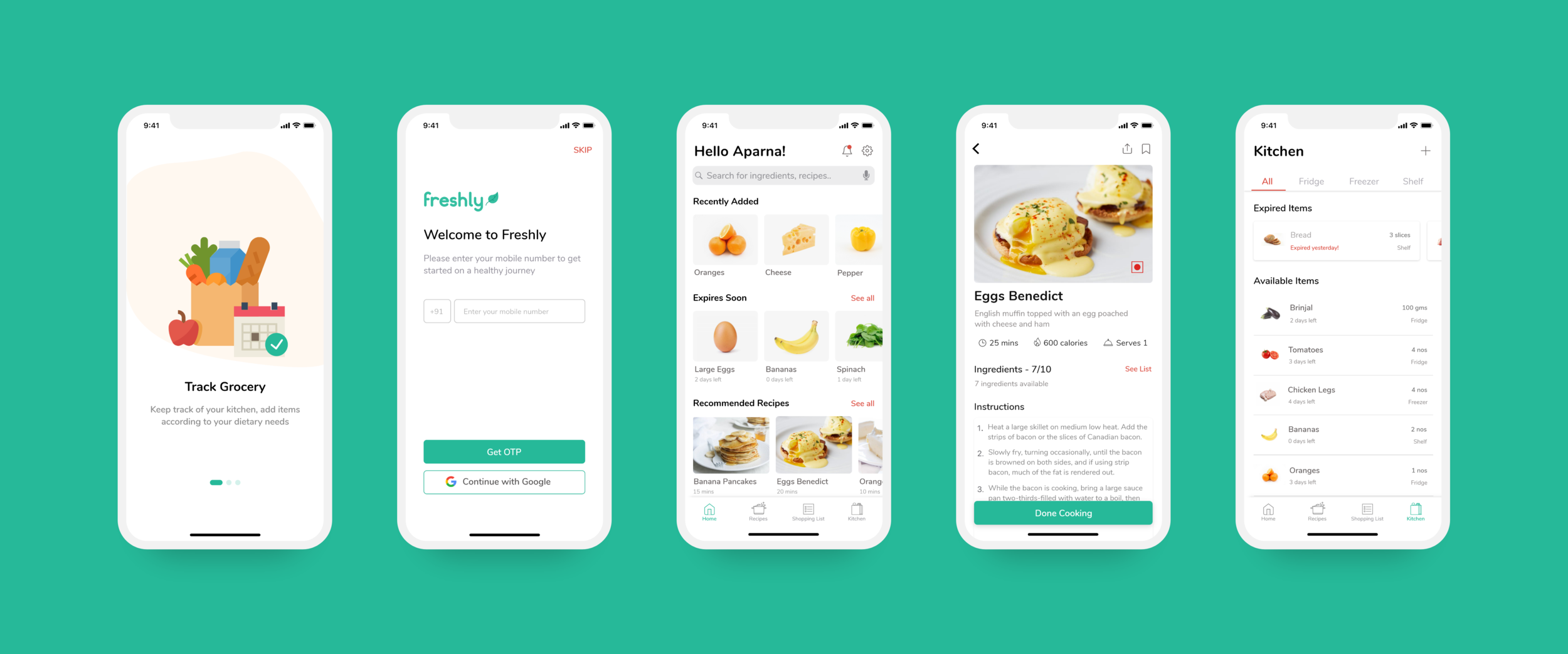
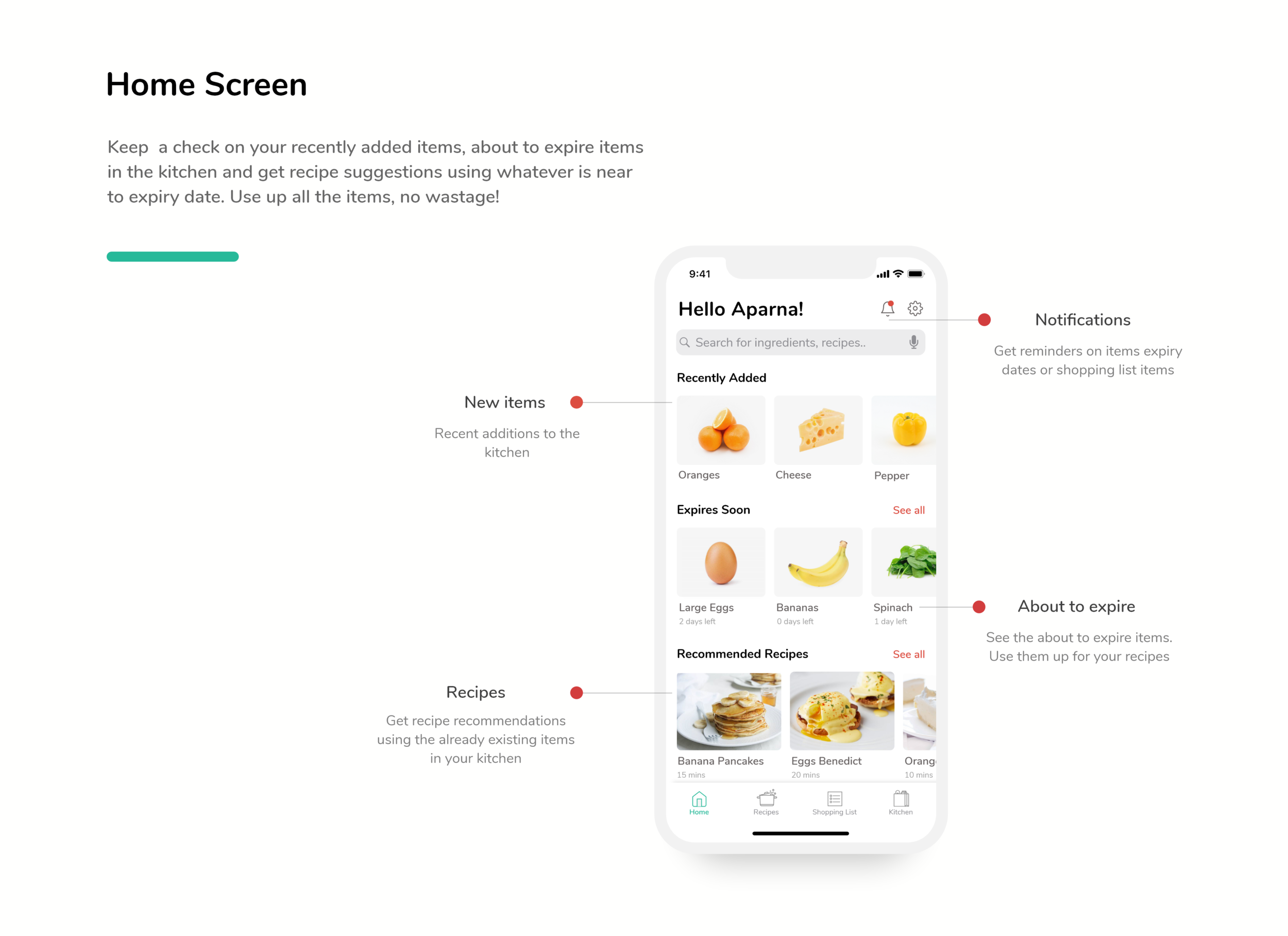
Freshly is a one-stop solution for tracking groceries in and out of the kitchen. Freshly helps in tracking groceries in the kitchen by providing recipe suggestions using the items already available in the kitchen, showing expiration dates, and providing reminders. Freshly also has a shared shopping list option to avoid confusion regarding grocery shopping in shared living spaces. It helps save, less waste of groceries due to expiration, and also makes the grocery shopping experience sorted.
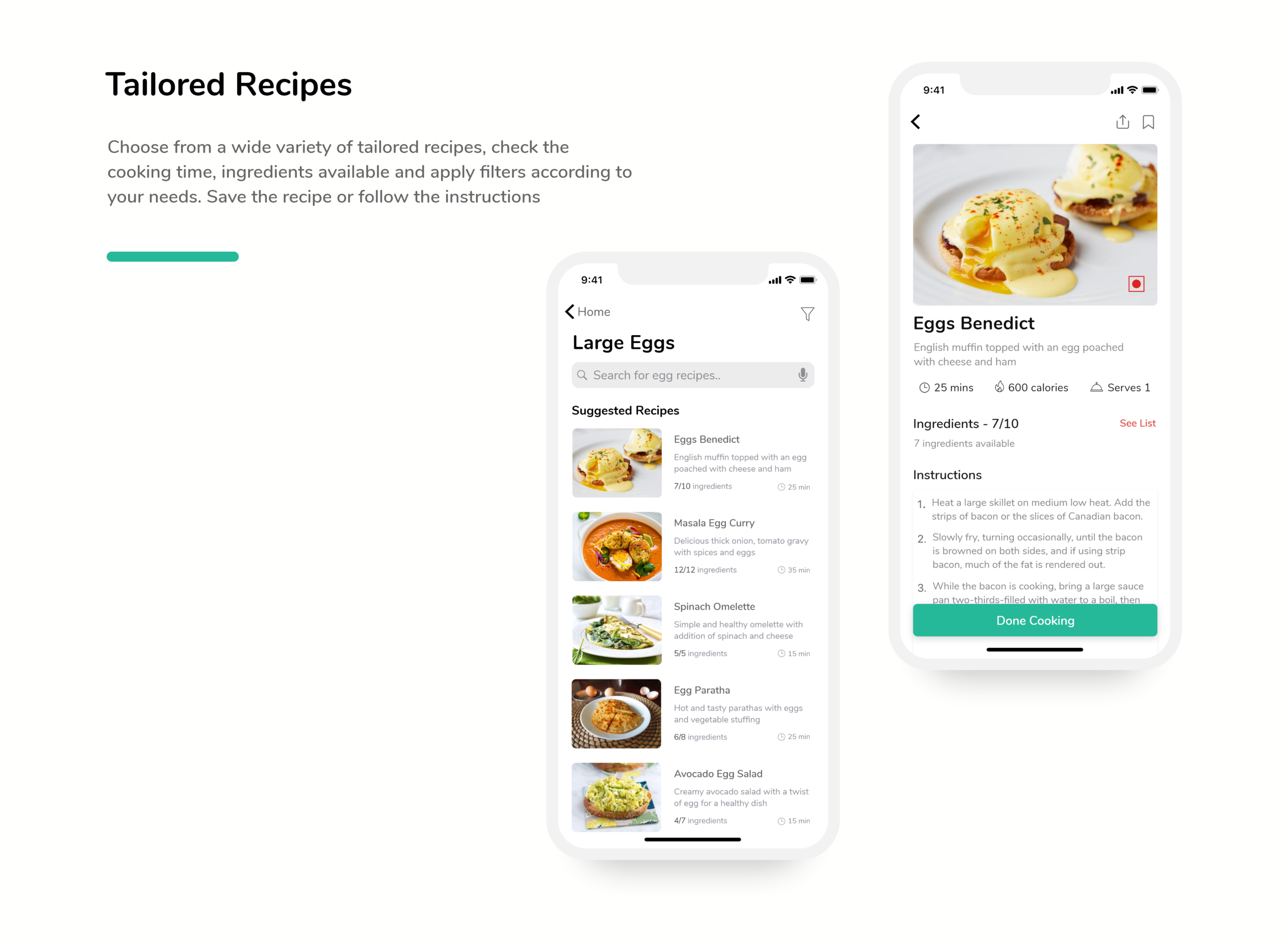
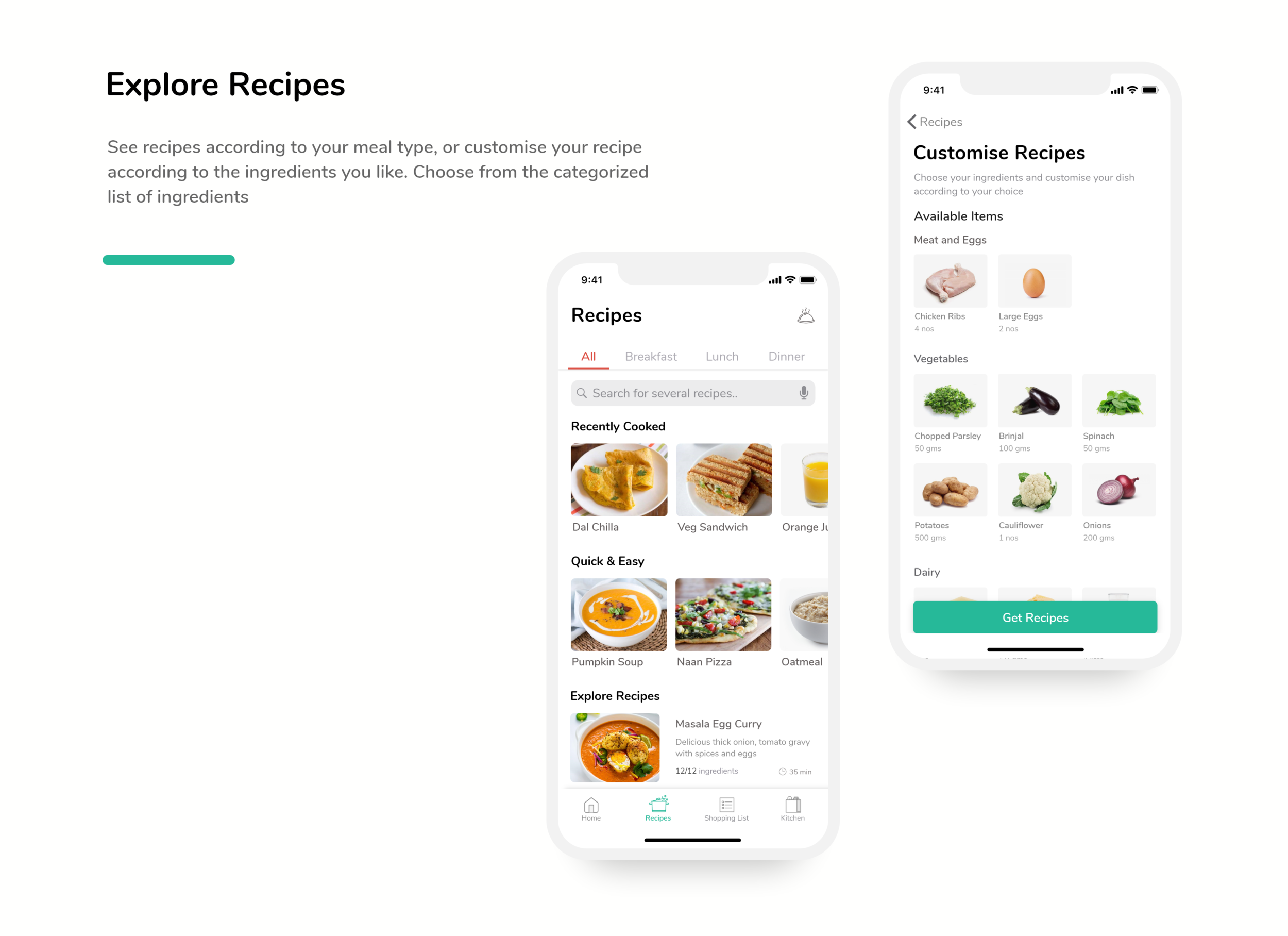
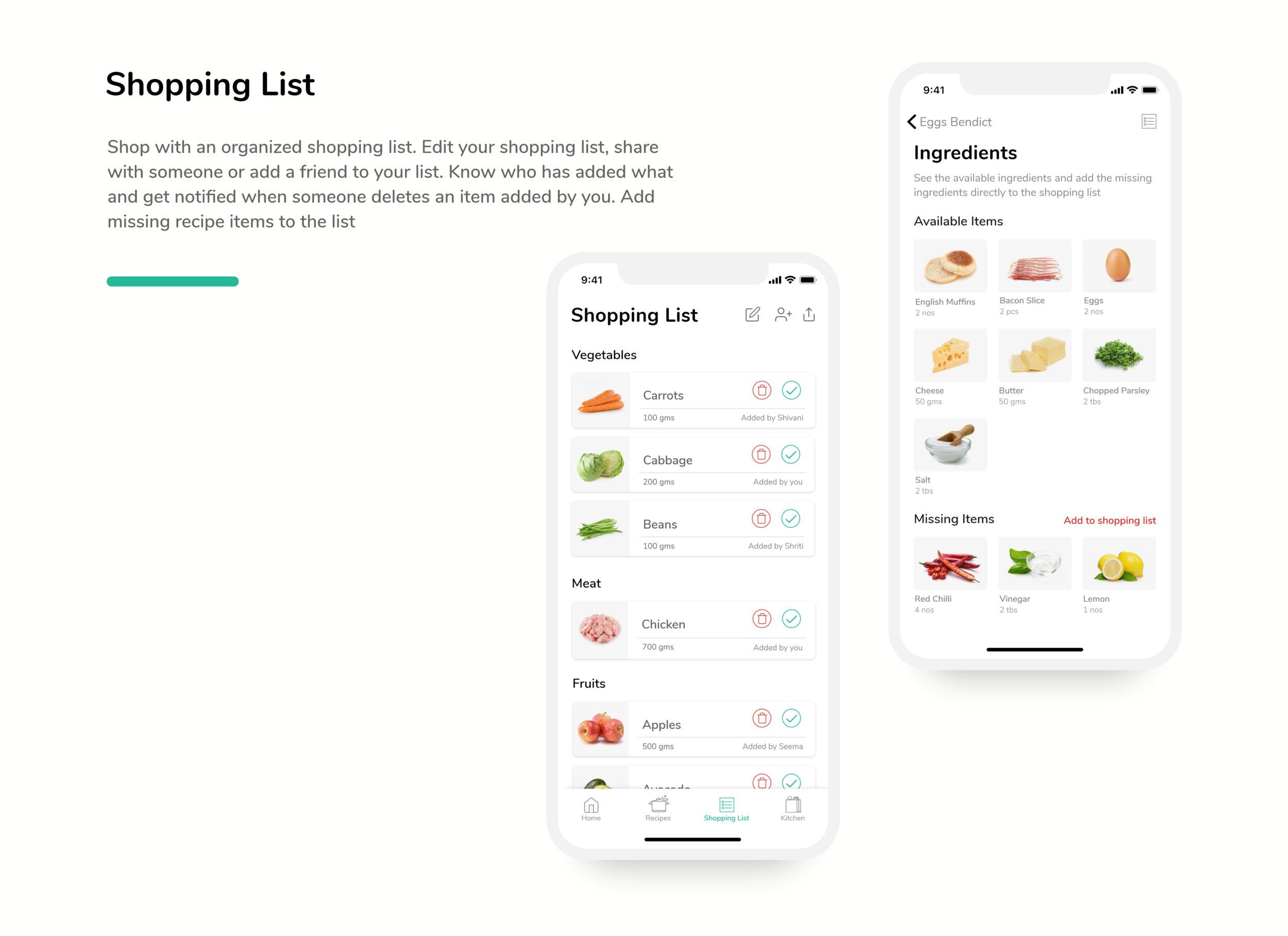
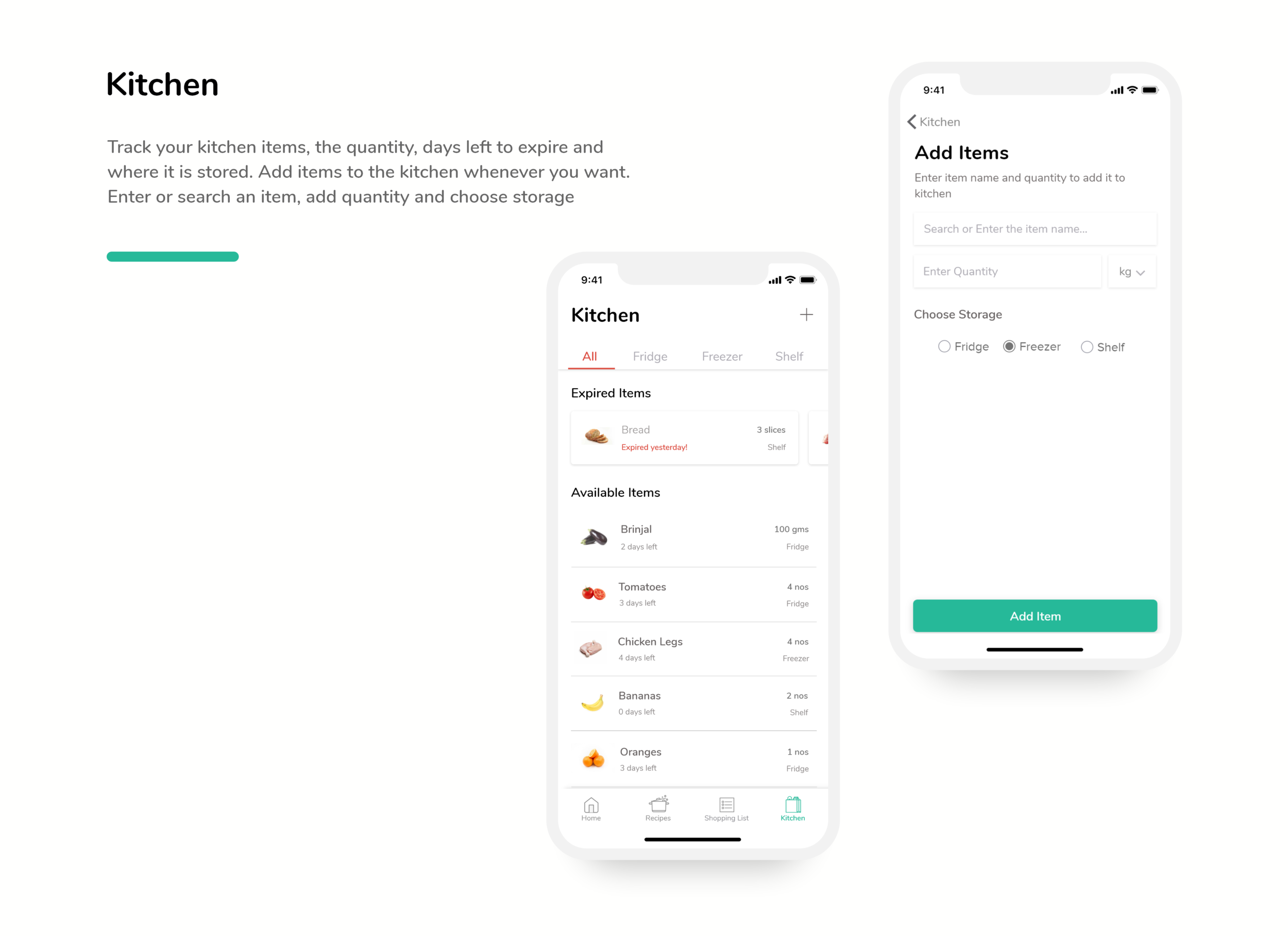
Investigating the existing products in the market. Before diving into primary research I wanted to analyze the products already existing in the market today. Are they providing what the user needed? Are they enough helpful to the user to keep them engaged for long-term usage? To figure out the app goals and target market we asked for app reviews from people who use them.
Two apps were considered for the competition review that is Yummly and SideChef.
MARKET RESEARCH
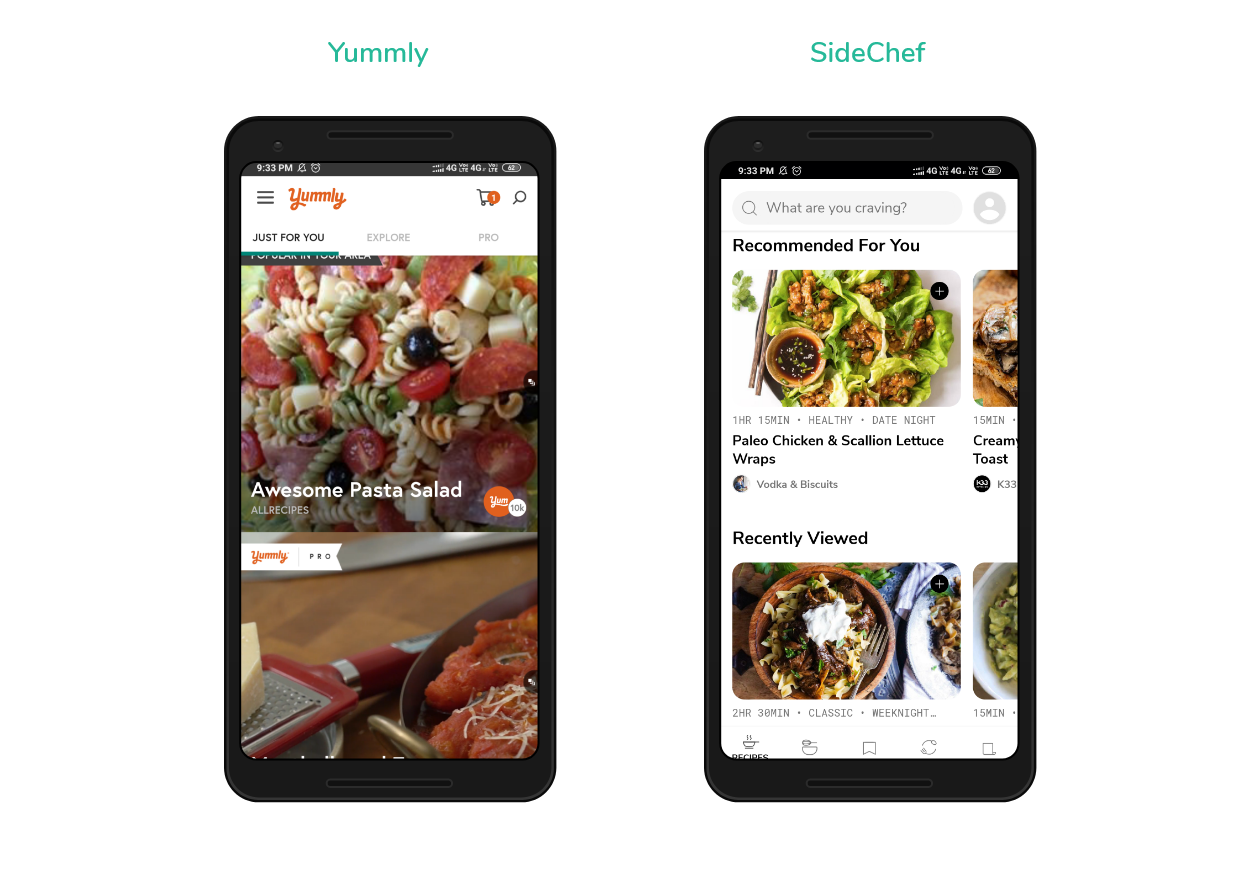
Competitive Analysis
Insights
Difficult to navigate: Some users had trouble figuring out how to use the app.
Confusion with meal types: No clear distinction between vegetarian and non-vegetarian meals and no option to filter recipes based on meal type.
Lack of customization: Recipes were not personalized to individual preferences and no recommendations for specific meals (breakfast, lunch, dinner).
Missing ingredients: Users were discouraged from using the app when they were unable to find the necessary ingredients for a recipe.
Limited control: Users would have preferred the ability to see recipes customized to their preferred ingredients.
Limited options: Few options are available, and most of them required a paid membership.
Disconnect with kitchen items: Recipes did not align with items available in the kitchen.
USER RESEARCH
Surveys
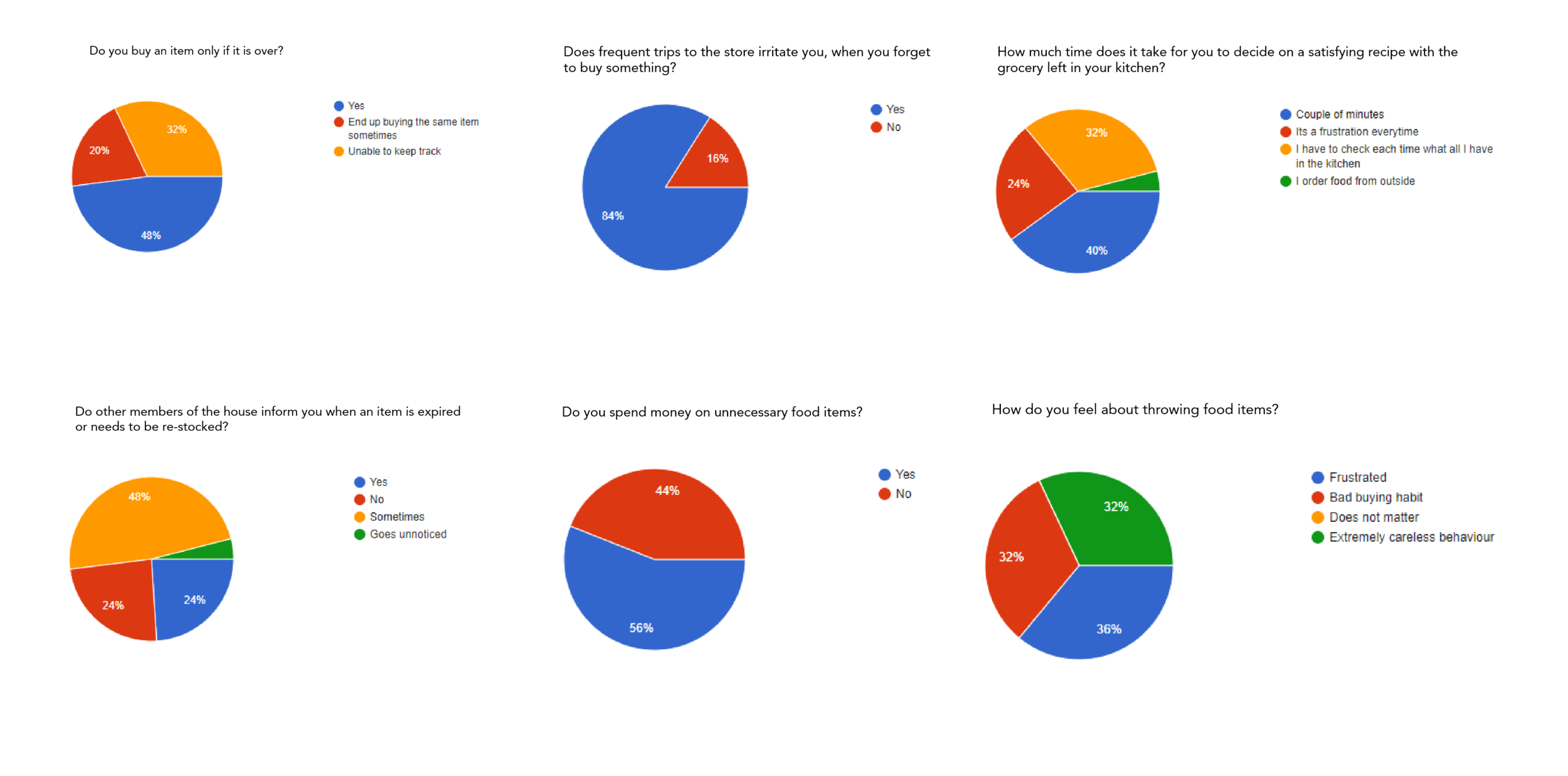
A total of 30 individuals took part in the survey and the target audience was people aged between 20 - 40 years. Online surveys are a part of quantitative research so as to include more individuals in the research process to understand the small details of their experiences. Survey questions majorly included questions about the user’s visitation to the grocery store, frequency of food wastage, and time is taken to decide on meals. The target audience was mostly young college people who stay in shared spaces, single professionals, and married working women with family.
Survey Questions
Which age group do you fall in?
How frequently do you go grocery shopping?
How do you know what to buy at the store?
Do you get swayed by offers and discounts and end up buying something which you did not plan to buy?
Do you spend money on unnecessary food items?
Would you prefer buying small amounts and having frequent trips to the store or buying in a bulk a wait for it to finish?
How much time does it take for you to decide on a satisfying recipe with the grocery left in your kitchen?
Do other members of the house inform you when an item is expired or needs to be re-stocked?
Do you have storage issues due to excess variety and unused food?
How do you feel about throwing food items?
Interviews
In-depth user interviews were conducted with 10 potential users on how they manage their dietary requirements, how they manage their groceries, whether are they successfully managing the food flow in and out of the kitchen, are they using any tool for it. User interviews helped us understand minute details about the problems the user faced in the kitchen, be it spending a lot of time every day making food or they are happy with their traditional pen-paper method of tracking and shopping. We chose a particular group of interviewees who get affected by these problems.
To understand how they manage their kitchen in shared living spaces. Do they have any tools for doing it?
Are they successfully completing their dietary requirements? Are they facing problems due to an unhealthy diet?
Do they have all the items needed to make food whenever required?
How do they manage their grocery shopping? Are they satisfied with the money they spend?
Are they ready to adapt to a digital way of managing or will they stick to the traditional pen-paper method?
Goals of Interview
Insights From Interviews
No time to make, eventually order food
Lack of recipe knowledge, do not know what to buy from stores. Ends up buying attractive products which might not be needed.
No tools to manage the kitchen, half of the time the items get expired, food and money wastage
No fulfillment of a healthy diet, facing health issues
Pen paper shopping list which gets misplaced most of the time, which makes them miss items to buy
Visiting the store many times irritates them
Missing items when trying to make something
User Personas
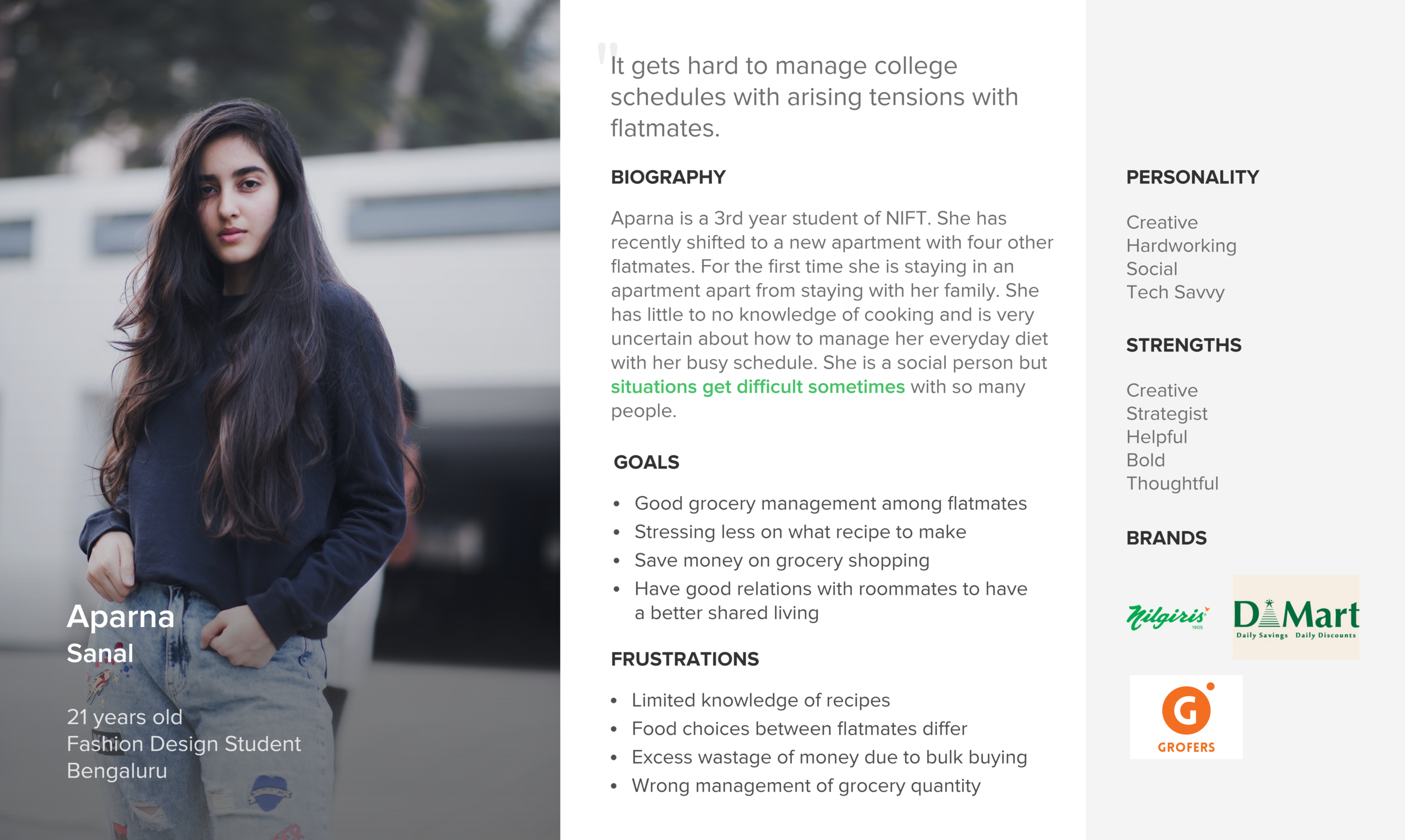
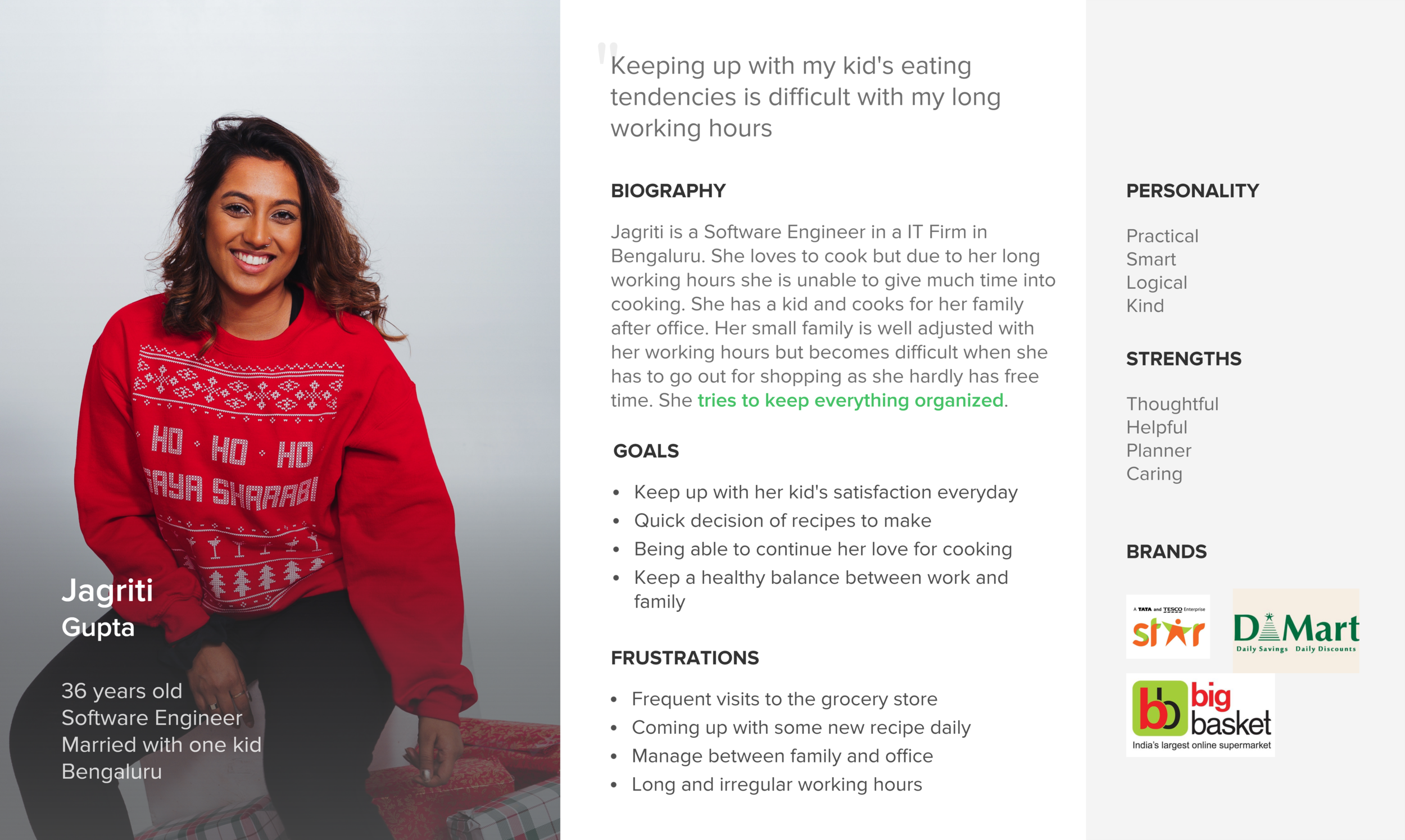
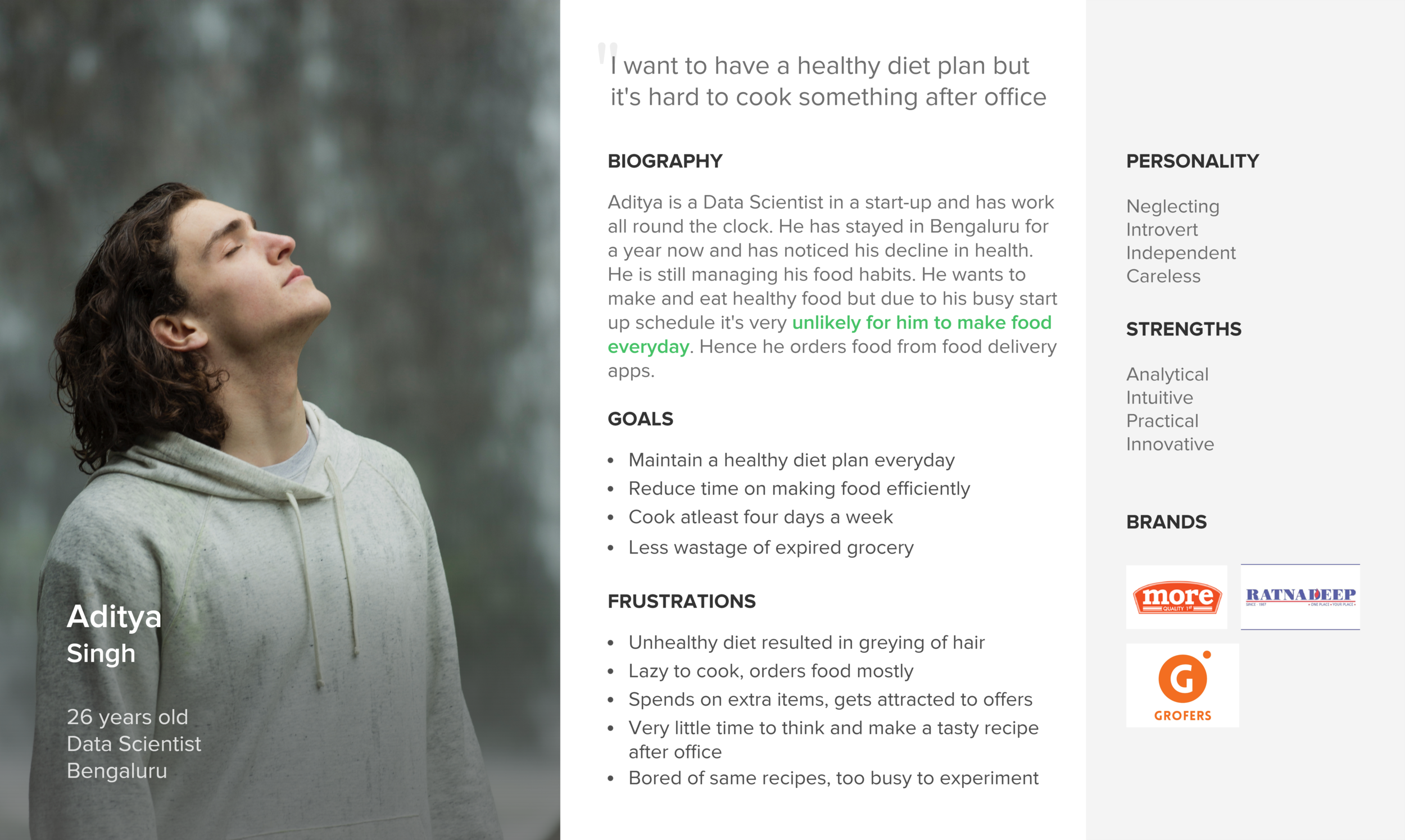
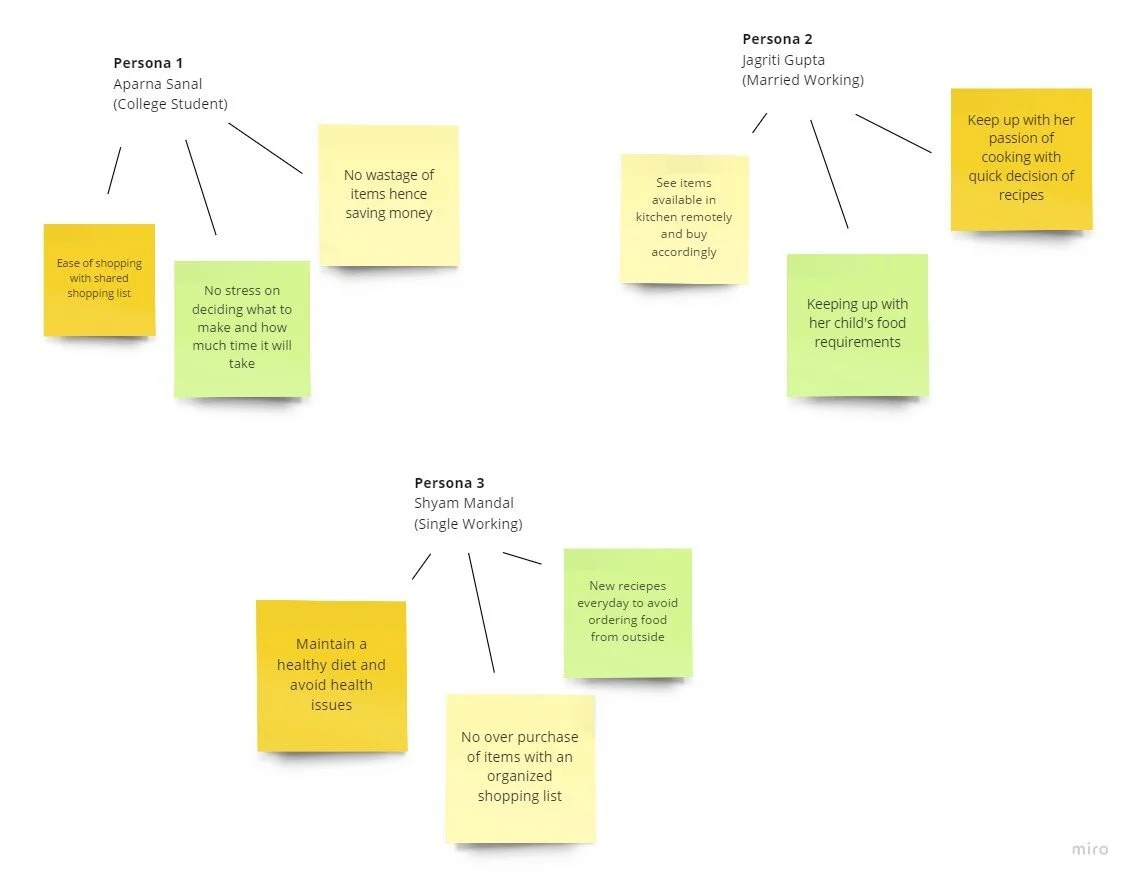
To empathize with the users and try to find a solution to their problems, We made three personas. The personas helped to prioritize the type of users and also gave a clear idea to execute combined solutions to their problems. Building personas gave direction to the solving process and opened new design opportunities. Below presented are the personas made, click on them for a clear image.
HOW MIGHT WE
After the user interviews and survey responses and insights from them, We started brainstorming and thinking about how to solve the major problems most of the audience were facing. How do I help them tackle their problems and get a peaceful daily life? We decided to focus majorly on some areas :
How might we help the users to make the overall cooking experience easy and less time-consuming?
How might we help users manage their kitchen items all in one place?
How might we help young audiences to lead a healthy diet?
How might we make the shopping experience less chaotic?
USERFLOW
INFORMATION ARCHITECTURE
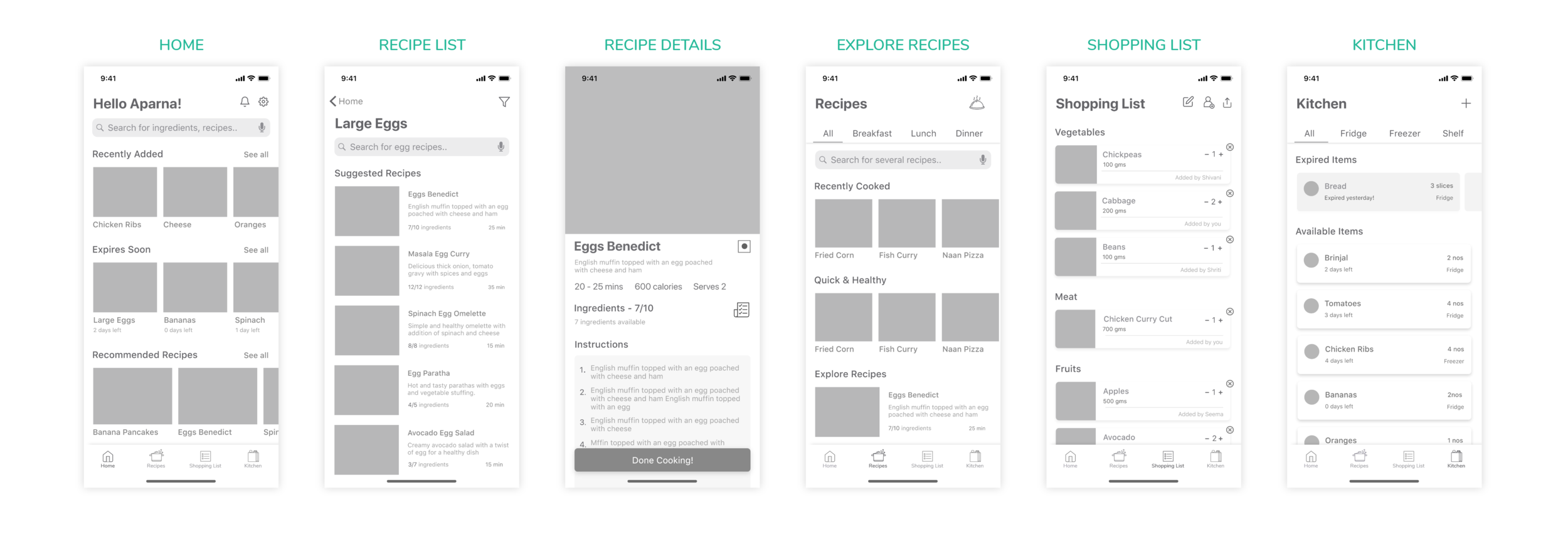
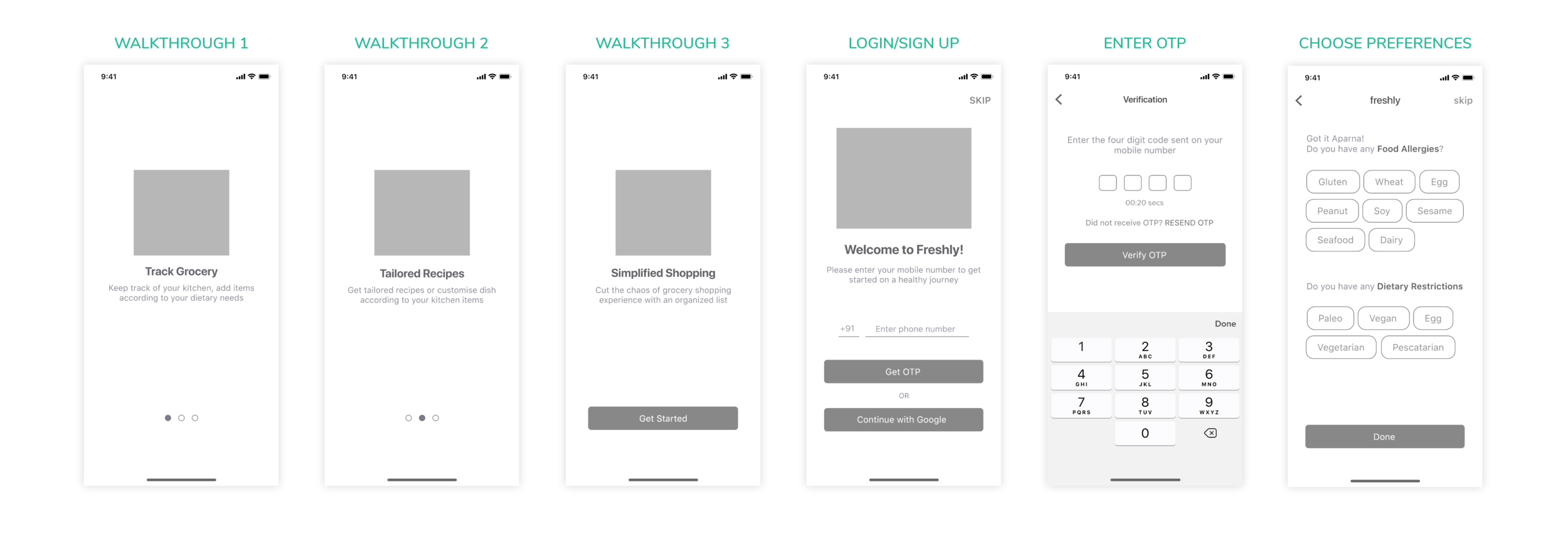
LOW FIDELITY WIREFRAMES
USER TESTING
Likes
Reminders of expiry dates
Shopping List, can add members to list
Shopping List arranged into categories, so no chaos to search a counter many times
Recipes catered to the individual
Less food wastage, easy kitchen management
Healthy diet flow
Ease of use, good UI
Dislikes
Confused with the cross button in Shopping List. Not clear if its cancel an item or buying the item.
No option to see saved recipes
Users wanted to see the Add items screen
Wanted reminders a day or two before the items are about to expire
How to change the dietary restrictions later?
Iterations
Added tick and cross buttons in Shopping List. Tick is bought and the cross is cancelled
Notify other members when an item is deleted from the shared shopping list
Changing diet-related options from Settings
Remove the list icon from the recipe detail page and add See List
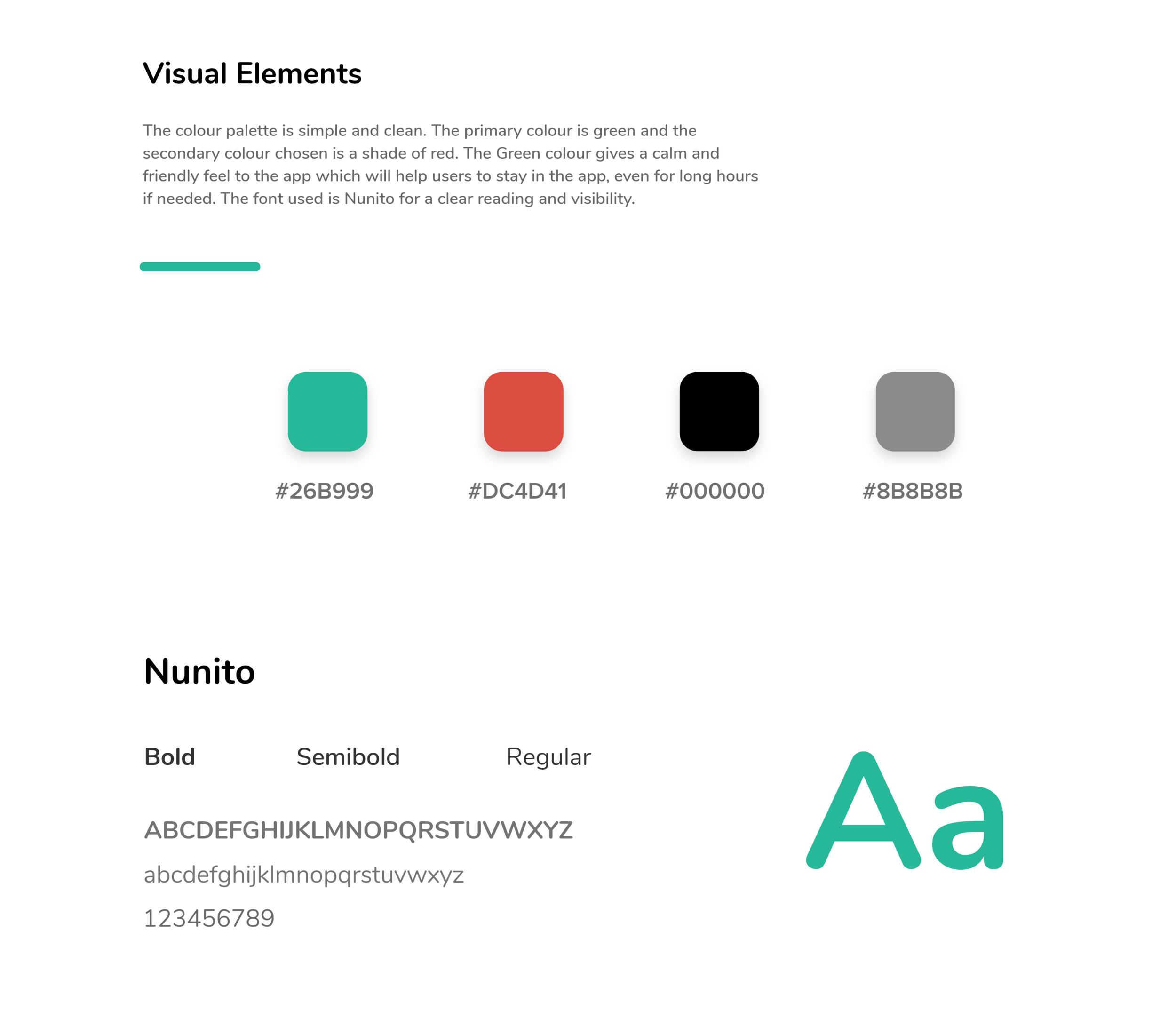
UI TOOLKIT
FINAL SCREENS
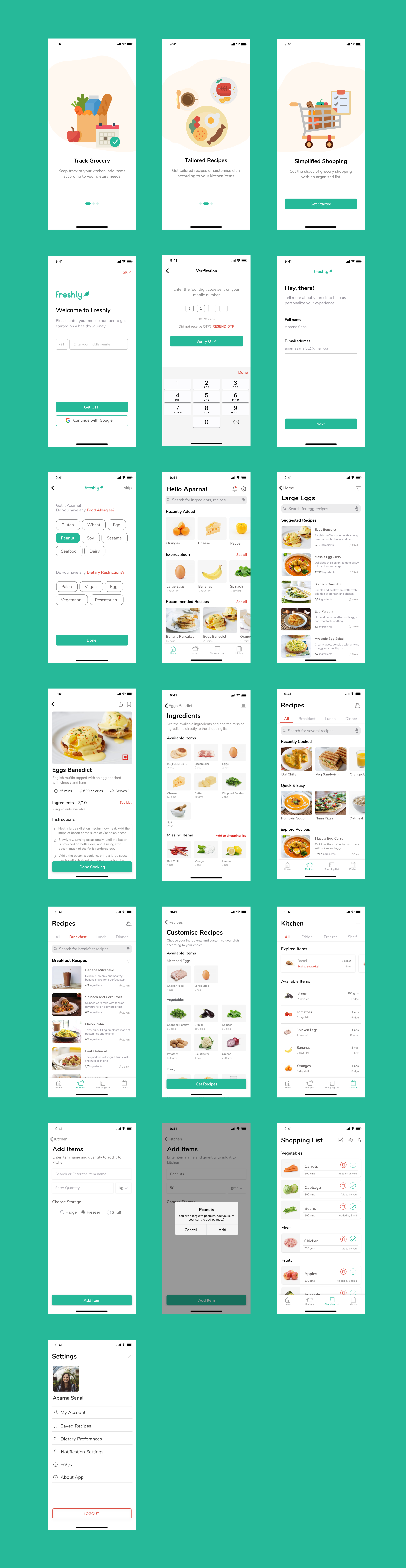
PROTOTYPE
LEARNINGS
This was my first UX project as part of my college elective, and I began with high expectations and many complex ideas. However, I learned the importance of simplicity. Users have busy lives, so it's crucial to make the app user-friendly. Introducing too many new concepts can confuse users, so it's better to keep things simple. Testing early and frequently is a valuable lesson I gained. The more I tested, the more I learned. Direct user input is more valuable than making assumptions.